

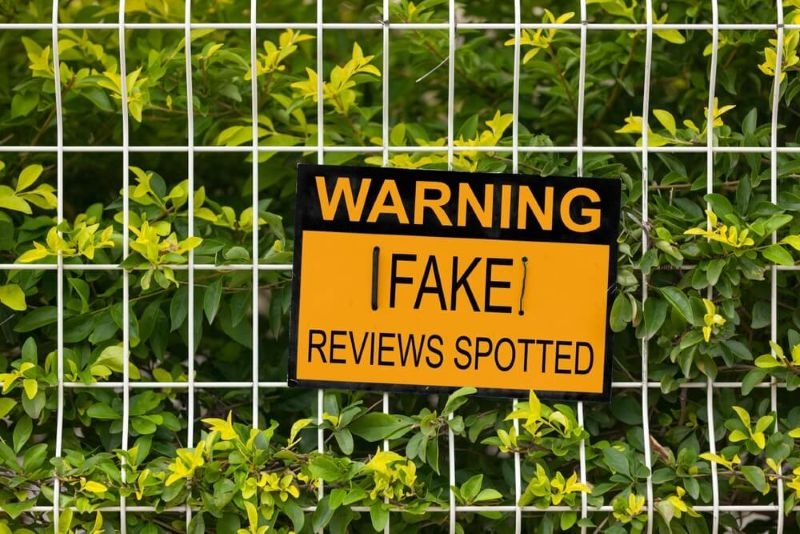
Think back to the last time you bought something online. You probably checked the reviews first, right? Maybe you were booking a hotel, hunting for headphones, or just looking for a decent place to eat. These days, reviews are almost like a secret weapon—they quietly shape so many of our decisions.
But here’s the catch. Not every review is real.
Fake reviews have become a big problem for shoppers and businesses alike. Some are written just to make a product look better than it is. Others are meant to drag down the competition. Either way, these fake voices mess with how we judge what’s worth our time and money.
If you’re shopping, bad reviews can steer you wrong. You end up wasting cash on junk or getting burned by bad service. For companies, review fraud can do real damage. Years of hard work building a reputation can unravel overnight. Let’s break down how this all happens and why, honestly, it matters more than people think.
First, how do all these fake reviews even end up on places like Amazon or Yelp? They don’t just fall out of the sky.
Online reviews sway shoppers more than any ad campaign. That’s why some companies can’t resist gaming the system.
Picture how most of us shop online. You scroll, you glance at stars, and you pick the thing that looks like the safe bet.
Higher stars? More clicks.
More clicks? More sales.
With that much pressure, some sellers fake their reviews to boost their ratings and get ahead.
Why do they do it? To climb up the rankings. To make a new product look legit. To compete with bigger brands. Or just to drown out a few bad reviews. It can seem like an easy win at first. But shortcuts like these have a way of coming back around.
Here’s something a lot of folks don’t know—fake reviews aren’t just random one-offs. This stuff is organized.
Some sellers actually hire freelancers or marketing agencies that specialize in pumping out phony reviews. These groups make fake accounts, write feedback that sounds real, and sometimes even hand out freebies, discounts, or cash for a glowing post.
Don't Miss: Check Out The Top 10 Most Reviewed Services in the USA Now
Shopping online takes away the one thing we used to count on—trying things for ourselves.
In a real store, you can pick something up, ask questions, or get a feel for the quality. Online, you’re left guessing, so we lean on what other people say.
Most people trust customer reviews without thinking much about it. If a product has hundreds of five-star ratings, it feels like a safe choice.
But fake reviews break that trust.
Picture this: you see one item with a 4.7-star rating and hundreds of gushing comments. The next best option has 3.9 stars. Almost everyone goes for the higher rating—even if those stars are bought and paid for.
We rarely dig deep. We scan, we skim, and we decide.
When reviews lie, things go sideways for shoppers.
You end up with cheap stuff that doesn’t work, services that let you down, money wasted, and a whole lot of frustration. And after a few bad experiences, people start to lose faith in reviews altogether. Once that trust is gone, it’s tough to get it back.
Also Read: Emotional vs. Rational Reviews: Service Feedback in the U.S.
It’s not just consumers who get hurt. Honest businesses take a hit, too.
In fact, the good guys often lose the most.
Not all fake reviews are positive. Some are flat-out sabotage.
A string of fake negative reviews can tank a company’s reputation fast. Even just a handful can make potential customers think twice. For small businesses—local diners, service shops, independent retailers—the impact is even bigger.
Stars and ratings don’t just build trust—they control visibility. Businesses with high ratings and steady feedback show up higher in search results. Platforms look at those numbers as proof that someone can be trusted. It’s all connected.
Here’s a simple comparison that shows how different types of reviews influence outcomes.
| Scenario | Customer Perception | Business Outcome |
|---|---|---|
| Authentic positive reviews | Strong trust | Increased sales |
| Fake positive reviews | Temporary credibility | Potential reputation damage later |
| Fake negative reviews | Reduced confidence | Lost customers |
Over time, the review fraud impact creates an uneven environment where honest businesses must compete against manipulated feedback.
Review platforms know their reputation rides on trust. If people stop believing the reviews, the whole thing falls apart.
Big review sites use some pretty smart tech to catch fake reviews. They look for stuff like sudden bursts of positive or negative ratings, the same phrases popping up in lots of reviews, or accounts that post way too many reviews too fast. Sometimes, they track how a reviewer acts across different products, just to see if something’s off.
Machine learning tools catch these weird patterns in a flash. Then, real people step in to double-check and decide if a review actually breaks the rules.
It’s not just the platforms—regular people and businesses flag fishy reviews, too. The red flags? Reviews that only offer generic praise, word-for-word repeats across different products, or users who churn out tons of reviews in no time. Watch out for reviews that are super positive or negative but never explain why.
When someone reports a sketchy review, the platform can jump in and clean it up.
At first, fake reviews might look like no big deal—just a few bogus comments mixed in with the real ones. But honestly, they cause real damage.
Fake reviews mess with how people shop and how companies compete. They can trick buyers into wasting money on bad products, and they can wreck a business’s reputation online.
It gets even worse when people start doubting all reviews. That’s when trust really starts to crack.
So, what now? Platforms keep upgrading their detection tools. Businesses fight harder to protect their names. Shoppers get savvier about spotting red flags.
They’re reviews written by people who never actually used the product or service. Usually, someone creates them to boost ratings, hurt a rival, or sway what customers think.
Fake reviews kill trust. They can drive away customers or knock a business down in search rankings, all because of misleading feedback.
Look for warning signs—reviews that sound vague, use the same wording, show up in big waves, or come from profiles that post non-stop. Checking reviews across different star ratings can also help you spot fakes.
Review fraud changes everything. It steers people toward bad choices and makes it tough for honest businesses to stand out. Trust gets harder to find, and everyone loses.
This content was created by AI